
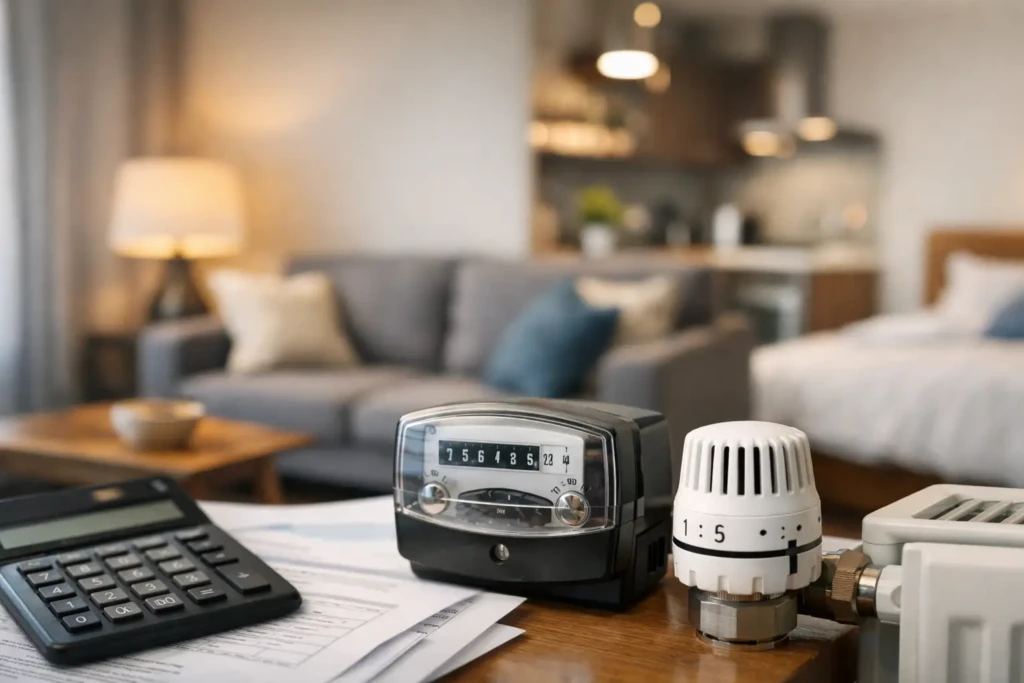
You find a furnished rental that looks perfect, the photos are strong, the location works, and the monthly rate seems manageable. Then one practical question decides whether it still fits your budget: are utilities included in furnished rentals? For business travelers, travel nurses, relocation clients, and families in transition, that answer matters because a stay that feels turnkey on day one can get expensive fast if power, water, Wi-Fi, or trash service are billed separately.
Are utilities included in furnished rentals? Usually, but not always
In many short-term and mid-term furnished rentals, utilities are included. That is one of the main reasons guests choose furnished housing in the first place. They want to arrive, unpack, connect to Wi-Fi, and get on with work or daily life without setting up electric service, calling an internet provider, or managing multiple monthly bills.
That said, included utilities are common, not guaranteed. The answer depends on the property type, the host or operator, the length of stay, and the market. A professionally managed corporate housing stay is more likely to bundle utilities into one clear rate. A private rental offered by an individual owner may be less predictable, especially for stays that stretch beyond a month or two.
If you are comparing options, treat “furnished” and “utilities included” as two separate features. A home can be fully furnished and still require the guest to pay for electric, water, internet, lawn care, or a utility overage.
What utilities are usually included in furnished rentals
When utilities are included, they often cover the essentials that make a home immediately livable. Most guests expect electricity, water, sewer, trash collection, and internet to be part of the rate. In many cases, basic streaming access or cable is included too, though that varies.
For short stays, all-in pricing is especially common. Hosts know guests are not staying long enough to open accounts in their own name, and operators serving corporate travelers usually design the experience to be simple and predictable. That is part of the value of premium furnished housing – fewer moving parts, fewer setup tasks, and less downtime after arrival.
For mid-term stays, especially 30 to 90 nights, utilities may still be bundled, but with conditions. Some providers include all utilities up to a reasonable monthly cap. Others include everything except excessive electric usage, which is especially relevant in Florida where air conditioning can run heavily for much of the year.
The most common inclusions
In a quality furnished rental, the package often includes electricity, water, trash, sewer, high-speed Wi-Fi, and routine property services handled by the owner or operator. For guests working remotely or on assignment, internet is not a nice extra. It is part of the core housing function.
If the property is positioned as corporate housing or extended-stay housing, inclusions may go beyond utilities and include parking, in-unit laundry, kitchen equipment, and starter household supplies. Those are not utilities, but they affect the true cost and convenience of the stay just as much.
What may not be included
This is where the details matter. Some furnished rentals exclude cable, premium streaming subscriptions, or specialty internet upgrades. Others exclude gas if the home has a gas range or water heater. Pool heat, if available, is often billed separately in Florida because it increases utility use substantially.
For longer stays, electric caps are common. That means the monthly rate includes utilities up to a set dollar amount, and the guest pays any overage above that threshold. This approach gives guests pricing clarity while protecting owners from unusually high consumption.
Cleaning is another area that causes confusion. It is not a utility, but guests often lump it into total occupancy costs. A furnished rental may include utilities but still charge a departure cleaning fee or require mid-stay cleanings for extended bookings.
Watch for these variables in the listing or agreement
The wording matters. “Utilities included” is clear. “Some utilities included” is not. “Tenant responsible after 30 days” changes the math entirely. If the listing mentions an allowance, ask for the exact amount and how overages are calculated.
It is also smart to confirm whether internet is standard residential Wi-Fi or a stronger setup designed for remote work. For professionals on video calls or teams working from the home, reliable connectivity is not optional.
Why stay length changes the answer
The shorter the stay, the more likely utilities are fully included. That is because short-term rentals are typically priced for convenience. Guests are paying for a ready-to-live environment, and operators structure the rate accordingly.
As the stay gets longer, billing can shift. A 3-night, 2-week, or 1-month booking will usually have bundled utilities. A 3-month or 6-month stay may still include them, but the provider may add caps, seasonal adjustments, or a separate monthly utility charge.
This does not necessarily make the rental less attractive. In some cases, a separate utility structure lowers the base rent and works out well for guests with predictable usage. But if your goal is simplicity, especially during relocation or a work assignment, bundled pricing usually delivers the smoother experience.
Why professional management makes a difference
One reason guests choose premium furnished housing over peer-to-peer rentals is consistency. Professionally managed properties are more likely to spell out exactly what is included, respond quickly when an issue comes up, and maintain the utilities and home systems without delays.
That matters more than it may seem during an extended stay. If the internet goes down before an important meeting or the air conditioning struggles during a Florida summer, guests need responsive support, not guesswork. A true hospitality operator builds utilities into a broader service standard.
For travelers coming to Central Florida for work, medical assignments, or temporary housing, that reliability is a major part of the value. At Florida HomeShares, for example, the focus is not simply on providing a furnished home. It is on delivering a turnkey stay with the productivity features and service support guests need to settle in quickly.
Questions to ask before you book
Even if the listing looks clear, ask direct questions before reserving. Confirm which utilities are included, whether there is a monthly cap on electric or water, and whether internet is included at no extra charge. If the home has a pool, ask whether pool heat is separate. If you are staying for 90 days or more, ask whether any utilities shift into the guest’s responsibility during the stay.
You should also confirm how billing works if there is an overage. Will the provider send monthly usage reports? Is the charge based on actual utility bills or a flat add-on? The more transparent the answer, the better.
If you are booking for a team member, a travel nurse, or a relocating family, clarity here helps avoid reimbursement problems later. Companies and relocation clients usually prefer one straightforward housing invoice over multiple utility accounts and surprise charges.
How to compare furnished rentals accurately
The monthly rate alone does not tell you the full story. A rental with a lower advertised price can easily cost more if utilities, internet, parking, and cleaning are added later. A slightly higher all-in rate may be the better value because it gives you cost certainty and less administrative work.
This is especially true for working travelers. If you are balancing a new assignment, onboarding at a new office, or coordinating a family move, the last thing you need is to spend your first week arranging Wi-Fi installation or tracking down utility account details.
When comparing options, look at total occupancy cost, service responsiveness, and how prepared the property is for real daily living. Furnished housing should reduce friction, not create a new checklist.
The bottom line on utilities in furnished rentals
So, are utilities included in furnished rentals? Very often, yes – especially in short-term, mid-term, and corporate housing designed to be move-in ready. But the exact answer depends on the operator, the length of stay, and how the pricing is structured.
The safest approach is to assume nothing and confirm everything. Ask what is included, what has caps, and what could trigger extra charges. A strong furnished rental experience is not just about furniture and decor. It is about walking into a home where the lights are on, the Wi-Fi works, the kitchen is ready, and the logistics are already handled.
That is what makes temporary housing feel less temporary.
 EN
EN  ES
ES  PT
PT  ZH
ZH  ZH_HK
ZH_HK  FR
FR 